



27 Jan Are You Getting Enough Fiber In Your Diet?
By Juliet Opoku, BSCN, RN, CDE.
Fiber is an essential part of healthy eating. Fiber is only found in plant foods. There are many benefits of fiber and therefore is essential to ensure you are getting the recommended amount by Health Canada. Fiber is the part of the plant foods that human body cannot digest but have many benefits in promoting health and preventing diseases. People who have diabetes, is especially important to include fiber and ensure you’re getting enough through your diet.
Eating whole grains and starches, vegetables, fruits and including some of the skin on it can help boost your fiber intake. Fiber help control blood cholesterol levels, reduces blood pressure and prevents heart diseases. Fiber can improve blood sugars, regulate bowel movement, control weight by allowing you to feel full and prevent over eating.
People that include enough fiber can lose weight. When you eat food high in fiber, it helps you stay full longer. High fiber food is normally low in calories and can aid weight loss. Most people are not getting enough fiber in their diet and are not meeting the recommended guidelines by Health Canada.
Health Canada recommends women need 25 grams of fiber per day and men need 38 grams of fiber per day. Most Canadians are only getting about half. For more information and how to calculate your fiber intake visit: https://www.canada.ca/en/health-canada/services/nutrients/fibre.html.
Diabetes Canada recommends adults with type 1 or type 2 diabetes should aim to consume 30 to 50 grams of fiber every day due to benefits outlines above. Children between the ages of 3 and 18 need a gradual increase of fiber in their diets, usually calculated by using the child’s age and adding five grams. For more information on fiber intake please visit diabetes Canada website at https://diabetes.ca
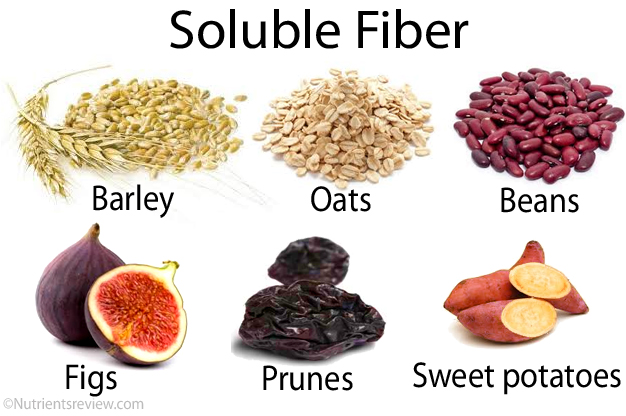 There two types of fiber, soluble and insoluble fiber and most plant food have both types in it.
Soluble fiber benefits includes: assisting control of cholesterol by removing from the blood stream and preventing spike in blood sugar and keeping it stable. It can help lower blood sugar due to the slowing down of digesting food. Soluble fiber also helps prevent diarrhea by firm stool and some symptoms of Irritable bowel syndrome (IBS). Soluble fiber is found in foods such as okra, oatmeal, oat bran, legumes such as dried beans, lentils and many fruits such as barriers, citrus and prunes.
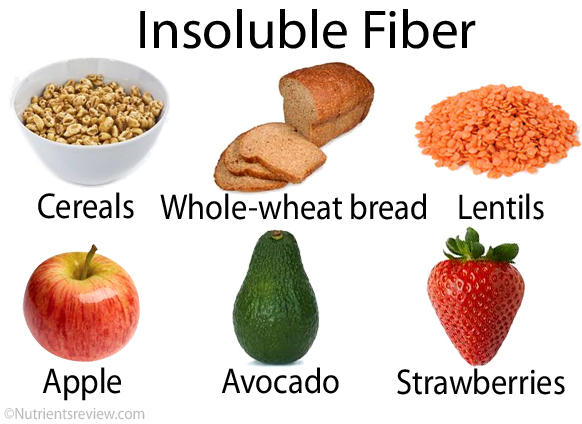
Insoluble fiber: Is the type of bulky fiber that acts like a broom to sweep digestive tract to prevent constipation and infection of the gut. Insoluble fiber can reduce a person chance of getting heart diseases, some types of cancer, and hemorrhoid. This type of fiber is present in many whole grain foods, legumes, uncooked vegetables, nuts and bran.
 Since we know how fiber is important to keep us healthy, here are some ways to ensure you are getting enough fiber in to your diet to help prevent diseases and promote health.
Helpful tips to ensure you are getting enough fiber in your healthy diet plan include:
- When doing grocery buy whole grain foods
- Include fruits and vegetables when snacking
- Include vegetables (half your plate or more with vegetables) for lunch and dinner
- Eat your vegetable first when eating a meal
- Include chia seed, unsalted nuts to diet and add them to salad and yogurt for snack
- Add flax seeds to porridge (oatmeal) and yogurts, cold and hot cereals.
- Snack on popcorn instead of chips.
- Do not drink fruit juice, eat the fruit and include some skin to boost fiber intake.
- Choose fiber cereal or add all bran buds to boost the fiber content in your breakfast.
- Include some beans, cheapens and legumes, beans in to your salads and soups.
- Replace animal protein when plant protein foods etc. beans, lentils and legumes.
Fiber is essential to your health and by including some of the tips to your daily diet routine will help ensure you are getting enough to improve, promote health and prevent diseases.
For those of you that are going to start increasing your fiber intake, do it slowly and drink 8 glasses of water to help the fiber work better, prevent gas, bloating and diarrhea.
Until next time, keep reading to help you learn the healthy tips to assist you in achieving the balance you want in your life.
For more information on fiber and healthy living visit my YouTube channel Living a balanced life with Julie Oo, and Facebook page Juliet Opoku for more information and inspiration for healthy living.
Sorry, the comment form is closed at this time.