



04 May Blood pressure management through Diet and Exercise:
By Juliet Opoku, BScN, RN, and Certified Diabetes Educator.
Do you suffer from high blood pressure or has your healthcare provider warned you that your pressure is getting too high? I have come up with some tips to help manage your high blood pressure and prevent complications to improve your overall health.
High blood pressure or hypertension is a condition that effect about 1.1 billion people in the world according the world health organization. Hypertension is called the silent killer because some people have it and do not even know it, due to lack of symptoms.
Your blood pressure is the force that your blood uses to circulate around the vessels. It is a reflection of your heart health and therefore is essential to know what your numbers are.
Hypertension is the condition that affects the heart and the whole body. Normal blood pressure is 120/80mmHg for an average person. When your blood pressure reaches 140/90mmHg this is considered a hypertension diagnoses. It is called the silent killer because most people do not get any symptoms and therefore are unaware they have it.
Some of the symptoms of hypertension or high blood pressure includes:
Chest pain
Breathing difficulties
Severe headaches
Vision problems
Fatigue
Confusion
Pounding of the chest, ears and neck
Blood in urine
Feeling light headed
Management of hypertension includes medication therapy and modification of unhealthy behaviors and habits. There is a list of different types of medication on the market that your health care provider can prescribe to help control your blood pressure. Blood pressure management has to include healthy lifestyle habits in order to prevent the complications that can be associated with hypertension.
Since your blood pressure depends on the resistance of the blood vessels and how hard the heart has to work, it is important to know your number and ways to improve it. If you are someone with chronic illness such as diabetes or kidney
Disease, it is important to work towards improving your pressure as it can lead to complications such as a heart attack, kidney failure and stroke. Based on your health history, your health care provider can advise you on what your new target blood pressure should be and how to prevent complications.
A person with type one or two diabetes should work to keep their blood pressure under 130/80 as diabetes in itself is a risk factor for heart disease and hypertension. If you have not been diagnosed with hypertension, your goal should be aimed at keeping your pressure at 120/80 or less as a preventative measure.
The good news is that there are many ways you can work to improve your blood pressure and its complications by adopting healthy lifestyle habits.Since prevention is better than cure, it is essential to be mindful of how your lifestyle can favor you or harm you.
There is evidence that people, who eat healthy, exercise regularly, do not consume sugary drinks, manage their stress and maintain a healthy weight can prevent high blood pressure and avoid hypertension.
Healthy habits that can improve your blood pressure and prevent complications include:
Exercise: 150 minutes of aerobics per week, recommended by health Canada can help improve your health and help manage your blood pressure and can even prevent you from getting high blood pressure.
Exercise can help lower your blood pressure and make your heart stronger. Examples include walking, jogging, jump rope, bicycling (stationary or outdoor), cross-country skiing, skating, dancing, swimming, and water aerobics like aqua fit. Getting 30 minutes walk per day, 5 days per week or 20 minutes 7 days a week can help you meet the targets.
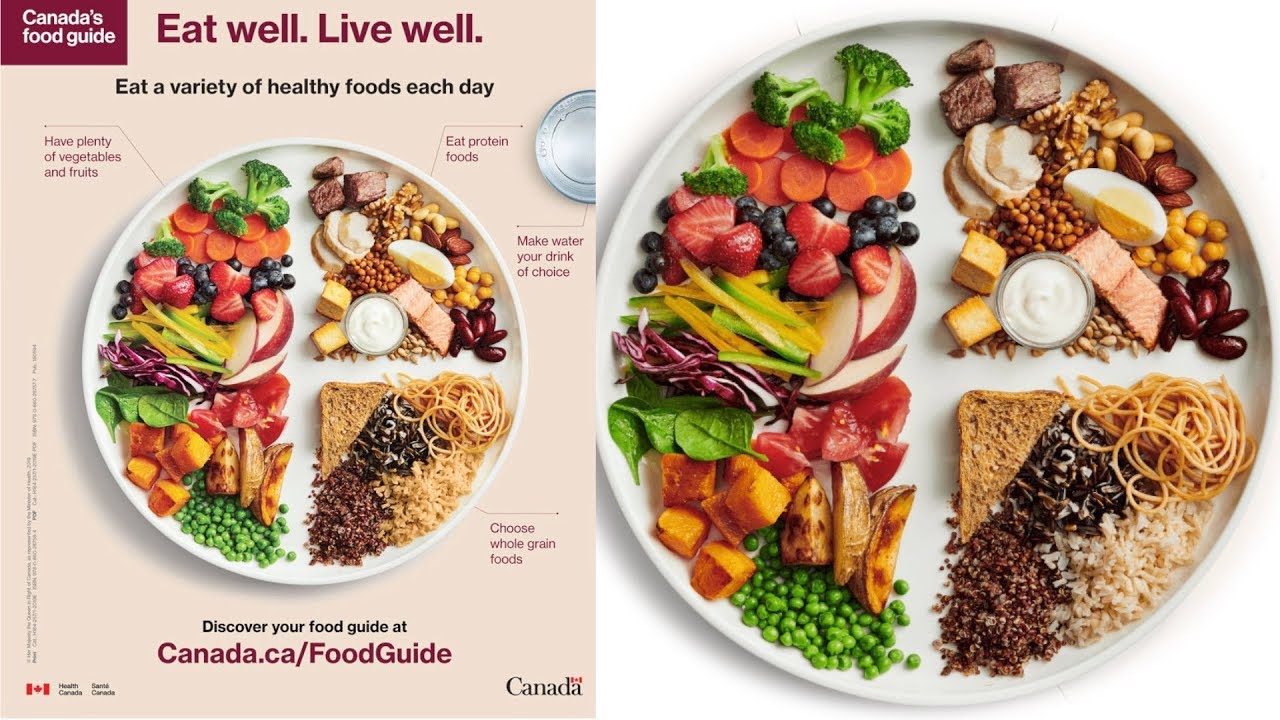
Healthy Eating: Consuming a balance diet can improve your blood pressure. Aim for a diet rich in fruits, vegetables, low-fat dairy products, whole grains, nuts and seeds. Lean protein sources such as skinless poultry and fish or add plant based protein 2-3 times per week. It should also be low in saturated fats, total fats, cholesterol, and added sugars. Skip Tran’s fats altogether. The Canada food guide has great tips on eating a balance meal to improve your health, maintain your weight and improve your blood pressure.
Sorry, the comment form is closed at this time.