

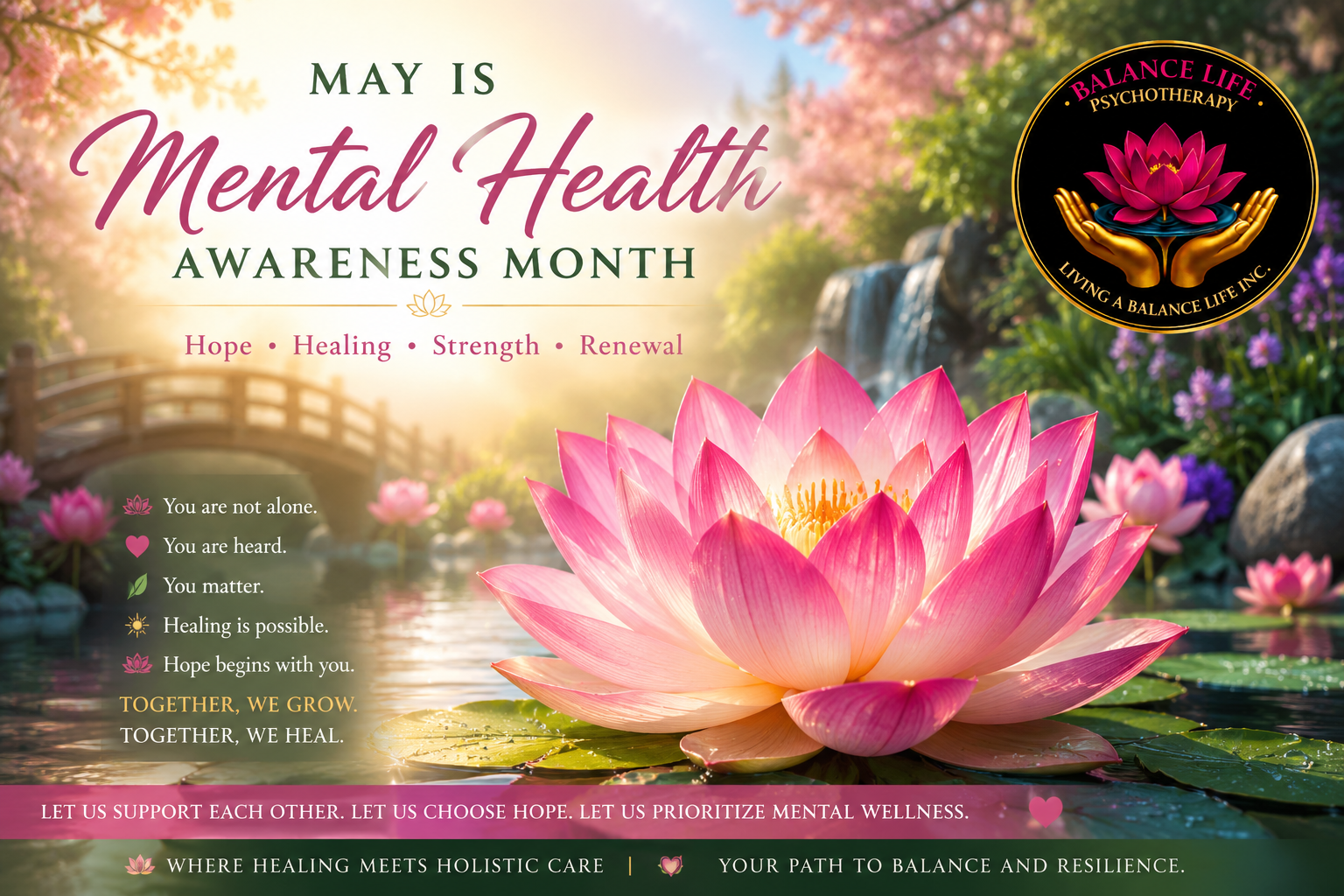
07 May May Is Mental Health Awareness Month: Prioritizing Mental Wellness, Healing, and Hope
Prioritizing Mental Wellness, Healing, and Hope
Mental health is just as important as physical health. During Mental Health Awareness Month, we are reminded that caring for our emotional, psychological, and social well-being is essential for living a balanced and healthy life. Mental health affects how we think, feel, cope with stress, build relationships, make decisions, and function in our daily lives.
Millions of people worldwide experience mental health challenges such as stress, anxiety, depression, trauma, burnout, and emotional exhaustion. Yet many individuals continue to suffer in silence due to stigma, fear, lack of understanding, or limited access to support. Mental health awareness encourages open conversations, compassion, education, early intervention, and access to treatment and support systems.
As communities, families, workplaces, faith organizations, and healthcare professionals, we all have a role in promoting mental wellness and supporting one another through life’s challenges.
Understanding Common Mental Health Challenges
Stress
Stress is the body’s natural response to pressure, challenges, or overwhelming situations. While some stress can motivate us, chronic or unmanaged stress can negatively affect both mental and physical health.
Common signs of stress may include fatigue, irritability, mood swings, difficulty sleeping, headaches, body tension, difficulty concentrating, increased worry, and feeling emotionally overwhelmed.
Anxiety
Anxiety involves excessive worry, fear, nervousness, or panic that interferes with daily functioning. Anxiety disorders can affect work, school, relationships, and overall quality of life.
Symptoms may include constant worrying, racing thoughts, rapid heartbeat, shortness of breath, restlessness, panic attacks, difficulty relaxing, and feelings of fear or uneasiness.
Depression
Depression is more than feeling sad for a few days. It is a serious mental health condition that can affect emotions, thoughts, energy, motivation, and daily functioning.
Common symptoms may include persistent sadness, loss of interest in activities once enjoyed, changes in sleep or appetite, fatigue, low motivation, feelings of hopelessness, social withdrawal, difficulty concentrating, and thoughts of self-harm or suicide.
Mental health conditions can affect anyone regardless of age, culture, profession, or background. Seeking help is a sign of strength, not weakness.
Ways to Prevent and Manage Mental Health Challenges
Prioritize Self-Care
Self-care is essential for maintaining emotional balance and resilience. This includes getting enough sleep, eating nutritious meals, staying physically active, drinking enough water, taking breaks, resting, and engaging in activities that bring joy and relaxation. Even small healthy habits practiced consistently can positively impact mental wellness.
Build Healthy Support Systems
Connection and community are powerful protective factors for mental health. Spending time with supportive family members, friends, faith communities, mentors, or support groups can reduce emotional burden and isolation. Talking to someone you trust can help improve emotional well-being and coping.
Practice Healthy Stress Management
Healthy coping strategies help calm the mind and body. Helpful practices may include deep breathing exercises, mindfulness, meditation, prayer, journaling, listening to calming music, spending time in nature, exercising, practicing gratitude, and setting healthy boundaries.
Learning to recognize emotional triggers and managing stress early can prevent symptoms from worsening.
Seek Professional Help Early
Mental health professionals such as psychotherapists, counselors, psychologists, psychiatrists, social workers, nurses, and healthcare providers can provide support, therapy, coping strategies, and treatment plans tailored to individual needs.
Therapy approaches such as Cognitive Behavioural Therapy (CBT), Dialectical Behaviour Therapy (DBT), trauma-informed therapy, mindfulness-based therapy, Internal Family Systems (IFS), Acceptance and Commitment Therapy (ACT), and supportive counseling can help individuals develop healthy coping skills and emotional resilience.
Reduce the Stigma Around Mental Health
One of the greatest barriers to mental health care is stigma. We must normalize conversations about mental health and encourage individuals to seek support without shame or fear of judgment.
Checking in on loved ones, listening without criticism, offering empathy, and creating safe spaces for open conversations can make a significant difference and may even save lives.
Mental Health Medications and Their Role in Treatment
For some individuals, medication may be an important part of mental health management. Medications can help stabilize mood, reduce anxiety, improve sleep, support concentration, and improve overall functioning when prescribed appropriately by a healthcare provider.
Common mental health medications may include antidepressants, anti-anxiety medications, mood stabilizers, antipsychotic medications, and sleep-support medications.
When taking medication for mental health management, it is important to:
- Take medications exactly as prescribed.
- Avoid stopping medications suddenly without medical advice.
- Attend regular follow-up appointments with healthcare providers.
- Report side effects or concerns promptly.
- Avoid alcohol or substance misuse while on medication.
- Combine medication with therapy, healthy lifestyle habits, and support systems whenever possible.
Medication is not a sign of weakness or failure. Just as people may take medication for diabetes, blood pressure, or asthma, mental health medications can support brain health and emotional stability.
Supporting Children and Youth Mental Health
Children and youth also experience stress, anxiety, depression, bullying, trauma, social pressures, and emotional struggles. Parents, caregivers, educators, and communities play a vital role in supporting the mental well-being of young people.
Creating safe spaces for communication, encouraging emotional expression, supporting healthy routines, monitoring stressors, promoting healthy sleep habits, and seeking professional help early can significantly improve long-term mental health outcomes for children and youth.
A Message of Hope
Healing is possible. Recovery is possible. Support is available.
Mental health challenges do not define a person’s worth, strength, or future. Through awareness, education, compassion, treatment, therapy, medication management when needed, and strong community support, individuals can build resilience, improve emotional well-being, and achieve a healthier and more balanced life.
This Mental Health Awareness Month, let us continue to break the stigma surrounding mental health, encourage open conversations, support one another, prioritize emotional wellness, and advocate for accessible and culturally responsive mental health care for all.
Begin Your Healing Journey Today
At Balance Life Psychotherapy, our goal is to work with you to help you achieve the balance needed to reach your greatest mental, emotional, and overall health potential. We believe healing is possible when individuals are supported with compassion, culturally responsive care, and holistic mental health services tailored to their unique journey.
Whether you are struggling with stress, anxiety, depression, trauma, burnout, relationship challenges, grief, emotional exhaustion, or life transitions, you do not have to face it alone. Taking the first step toward support can transform your life and help you build resilience, confidence, healing, and hope.
We invite you to book a free 15-minute consultation with us today and begin your mental wellness journey toward healing, balance, and emotional well-being.
📩 Email: balancelifepsychotherapy@gmail.com
📅 Book a free 15-minute consultation online:
Balance Life Psychotherapy Booking Page
Balance Life Psychotherapy — Where Healing Meets Holistic Care and Your Path to Balance and Resilience.
By Juliet Opoku, MACP, RP(Q), BScN, RN, CDE, CBE
Sorry, the comment form is closed at this time.