


04 May Salt and Sodium Effect on Blood pressure.
By Juliet Opoku, BScN, RN, and Certified Diabetes Educator.
Do you suffer from high blood pressure or has your healthcare provider warned you that your pressure is getting too high? I have come up with some tips to help manage your high blood pressure and prevent complications to improve your overall health.
High blood pressure or hypertension is a condition that effect about 1.1 billion people in the world according the world health organization. Hypertension is called the silent killer because some people have it and do not even know it, due to lack of symptoms.
Your blood pressure is the force that your blood uses to circulate around the vessels. It is a reflection of your heart health and therefore is essential to know what your numbers are.
Hypertension is the condition that affects the heart and the whole body. Normal blood pressure is 120/80mmHg for an average person. When your blood pressure reaches 140/90mmHg this is considered a hypertension diagnoses. It is called the silent killer because most people do not get any symptoms and therefore are unaware they have it.
Some of the symptoms of hypertension or high blood pressure includes:
- Chest pain
- Breathing difficulties
- Severe headaches
- Vision problems
- Fatigue
- Confusion
- Pounding of the chest, ears and neck
- Blood in urine
- Feeling light headed
Management of hypertension includes medication therapy and modification of unhealthy behaviors and habits. There is a list of different types of medication on the market that your health care provider can prescribe to help control your blood pressure. Blood pressure management has to include healthy lifestyle habits in order to prevent the complications that can be associated with hypertension.
Since your blood pressure depends on the resistance of the blood vessels and how hard the heart has to work, it is important to know your number and ways to improve it. If you are someone with chronic illness such as diabetes or kidney
Disease, it is important to work towards improving your pressure as it can lead to complications such as a heart attack, kidney failure and stroke. Based on your health history, your health care provider can advise you on what your new target blood pressure should be and how to prevent complications.
A person with type one or two diabetes should work to keep their blood pressure under 130/80 as diabetes in itself is a risk factor for heart disease and hypertension. If you have not been diagnosed with hypertension, your goal should be aimed at keeping your pressure at 120/80 or less as a preventative measure.
The good news is that there are many ways you can work to improve your blood pressure and its complications by adopting healthy lifestyle habits.
Since prevention is better than cure, it is essential to be mindful of how your lifestyle can favor you or harm you.
There is evidence that people, who eat healthy, exercise regularly, do not consume sugary drinks, manage their stress and maintain a healthy weight can prevent high blood pressure and avoid hypertension.
Healthy habits that can improve your blood pressure and prevent complications include:
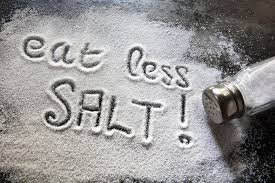
Reduce SALT intake: Eating salt raises the amount of sodium in your bloodstream and crashes the delicate balance. It reduces the ability of your kidneys to remove the water. This leads to higher blood pressure due to the extra fluid and extra strain on the delicate blood vessels leading to the kidneys.
Many people in the world have acquired a taste for a high salt diet. One way to cut back is to skip the table salt. However, most of the sodium in our diets comes from packaged, processed foods. Eating these foods less often can help reduce your sodium intake, lower your blood pressure and/or prevent hypertension or high blood pressure from developing.
The recommendation for sodium is no more than 2,300 milligrams (mgs) a day and an ideal limit of no more than 1,500 mg per day for most adults, especially for those with high blood pressure. Cutting back by 1,000 mg a day can improve blood pressure and improve your heart health.
Be mindful of the amount of salt you’re adding during your cooking. Most food has sodium in them and therefore do not need to add extra. There are many tasty spices on the market that you can use to improve the taste of your food. There is a rich world of creative and flavorful alternatives to salt. Get started with this guide to spices, herbs and flavorings and get creative.
Experiment with you cooking by using seasonings to add a variety of flavors, including but not limited to basal, chives, garlic, ginger, turmeric, cinnamon, nutmeg, paprika, parsley, oregano, sage, rosemary and peppermint. The way to flavor with these herbs and species is it to use them, fresh or dried with no preservatives or salt additives.
Snacking on fruits and vegetables is great way to reduce your salt intake and therefore improve your overall health. Reading labels and buying low sodium products are a great way to reduce your salt intake. It also improves your chances of avoiding high blood pressure and managing your blood pressure.
Most canned foods are high in sodium. When using canned foods, it is best to rinse it under water to remove the access sodium. The best ways to consume foods are in its natural form, so you can avoid excessive sodium consumption.
Control the amount of caffeine in your diet to improve your blood pressure and manage it. Caffeine is found in many beverages and foods. Even though, hypertension is called “the Silent Killer”, it is a manageable condition through medication, therapy and modification of lifestyle. Living a healthy lifestyle can prevent the complications of high blood pressure and allows a person to live a long healthy life. Making positive healthy habits changes to your lifestyle is an effective way to prevent heart disease, kidney disease and all the other condition that is influenced by high blood pressure.
Make achievable goals to include some of these habits in your daily routine and work towards achieving a balance in life to prevent diseases, complications and promote health.
Thanks for reading, until next time, keep working to improve your health and thanks for joining the balance life team.
Sorry, the comment form is closed at this time.